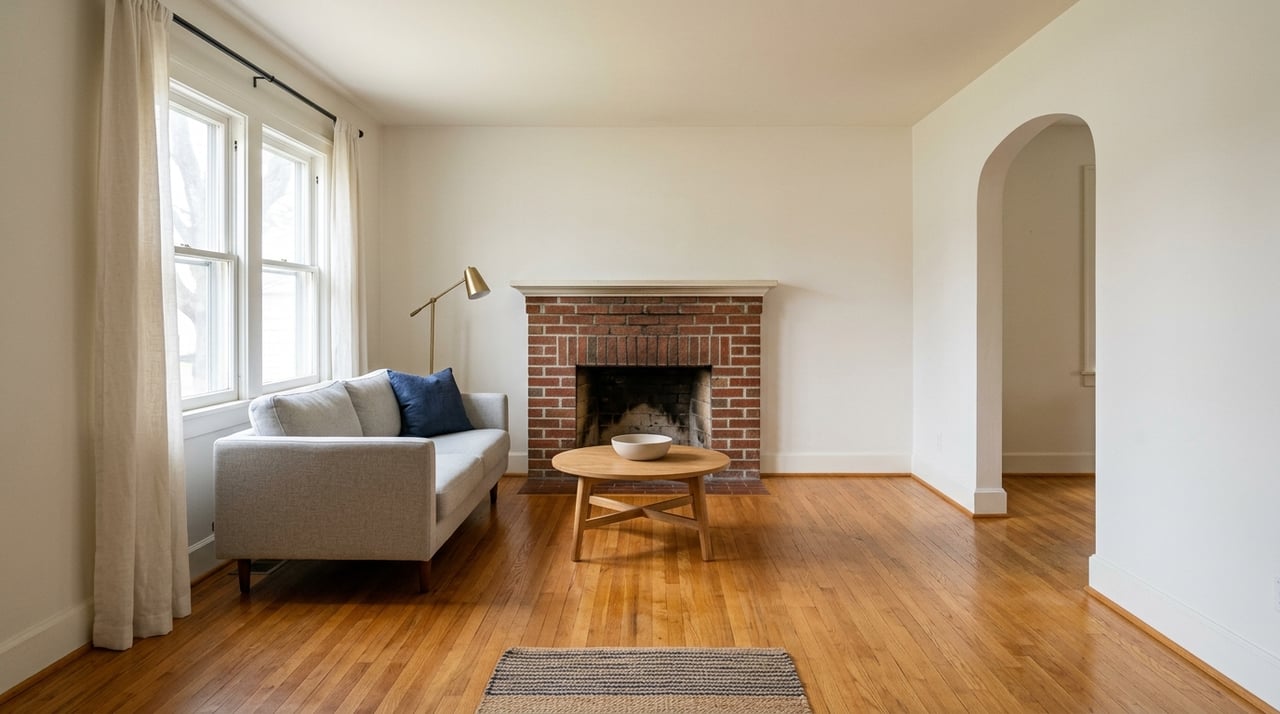
If you own a historic home near the Plaza, getting it ready to sell can feel like a balancing act. You want your home to look fresh and inviting, but you may also worry about changing the very details that make it special. The good news is that the right prep plan can help you protect character, reduce surprises, and present your home with confidence. Let’s dive in.
Why historic homes need a different plan
Homes in the broader Country Club District are part of a larger neighborhood story shaped by early twentieth-century planning, mature landscaping, curving streets, and architecture designed to feel cohesive. That context matters when you sell because buyers are often responding to more than square footage alone. They are also responding to setting, design, and a sense of place.
For many sellers, that means original features should not automatically be treated as flaws. If those details are clean, working, and well maintained, they can support the home’s appeal. Thoughtful preparation usually works better than stripping away character with a major remodel.
Check historic status before exterior updates
Before you schedule exterior work, confirm whether your property is locally designated or located in a local historic district. In Kansas City, the Historic Preservation Commission reviews exterior changes to local landmarks and properties in local historic districts. A Certificate of Appropriateness is required before a building permit is issued for exterior work.
This is an important first step because local designation drives the review process, not National Register status by itself. If your home is locally listed, exterior changes need to follow the city’s review standards. Verifying that status early can help you avoid delays and make better decisions about paint, windows, doors, masonry, and other visible exterior items.
Start with condition, not cosmetics
When sellers feel pressure to prepare a historic home, it is easy to jump straight to finishes and decor. In most cases, a better starting point is condition. Buyers tend to feel more confident when a home appears cared for, functional, and well documented.
A pre-listing inspection is optional, but it can help you identify issues before your home hits the market. According to the research provided, this type of inspection may cover the structure, exterior, roof, plumbing, electrical, heating and cooling, interiors, ventilation and insulation, and fireplaces. If larger repairs are likely, even getting cost estimates can help you plan your next move.
Why a pre-list inspection can help
A pre-list inspection can reduce the chance of unpleasant surprises during the buyer’s inspection period. It also gives you more control over timing, budgeting, and disclosure decisions. For a historic home, that extra clarity can be especially helpful because older materials and systems often need more context.
If you decide not to complete every repair, you still gain useful information. You can prioritize the fixes that matter most, document what was addressed, and prepare for buyer questions with more confidence.
Be careful with pre-1978 renovations
If your home was built before 1978, lead-safe renovation practices matter. Older homes are more likely to contain lead-based paint, and renovation, repair, and painting work that disturbs lead paint in pre-1978 homes may require certified lead-safe contractors.
This matters most when you are sanding, scraping, replacing components, or opening walls. It is one more reason to avoid rushed last-minute projects before listing. If work needs to be done, a careful and compliant approach protects your household and supports a smoother sale process.
Preserve what buyers want to see
One of the biggest mistakes sellers can make with a historic home is assuming that everything old should be replaced. In many cases, the opposite is true. Distinctive original features often help a home stand out in a competitive market.
Buyers may respond positively to details like original trim, masonry, fireplaces, built-ins, and historic windows. When these elements are maintained and functioning well, they help tell a more compelling story. Instead of erasing character, your prep plan should focus on presenting it clearly.
Think twice before replacing windows
Historic windows deserve special attention. Preservation guidance recommends evaluating historic windows for repair before replacement. If replacement becomes necessary, the new units should match the historic design as closely as possible in appearance and, where possible, materials.
That guidance matters for both presentation and compliance. In a locally designated Kansas City historic property, exterior window work visible from the public right-of-way may also need city review. If your windows are drafty or worn, repairing and improving them may be a smarter move than a full replacement plan right before listing.
Focus on high-impact, selective updates
Not every improvement adds equal value. Current remodeling data in the research favors selective, visible updates over large custom projects. Exterior improvements, in particular, tend to perform better than many discretionary interior remodels.
For a historic Plaza-area home, that often points to practical improvements that respect the home’s style. Think paint, roof or gutter repair, updated hardware, improved lighting, and a modest kitchen refresh instead of a complete gut renovation. These updates can make the home feel cared for without disconnecting it from its original character.
Updates worth considering before listing
Here are some of the most practical pre-sale improvements based on the research:
- Clean windows, walls, lighting fixtures, and flooring
- Store or remove clutter to open up each room
- Refresh landscaping and the front entry
- Address peeling paint or deferred exterior maintenance
- Repair roofing or gutters if needed
- Update worn hardware or dated light fixtures
- Consider a modest kitchen refresh rather than a full remodel
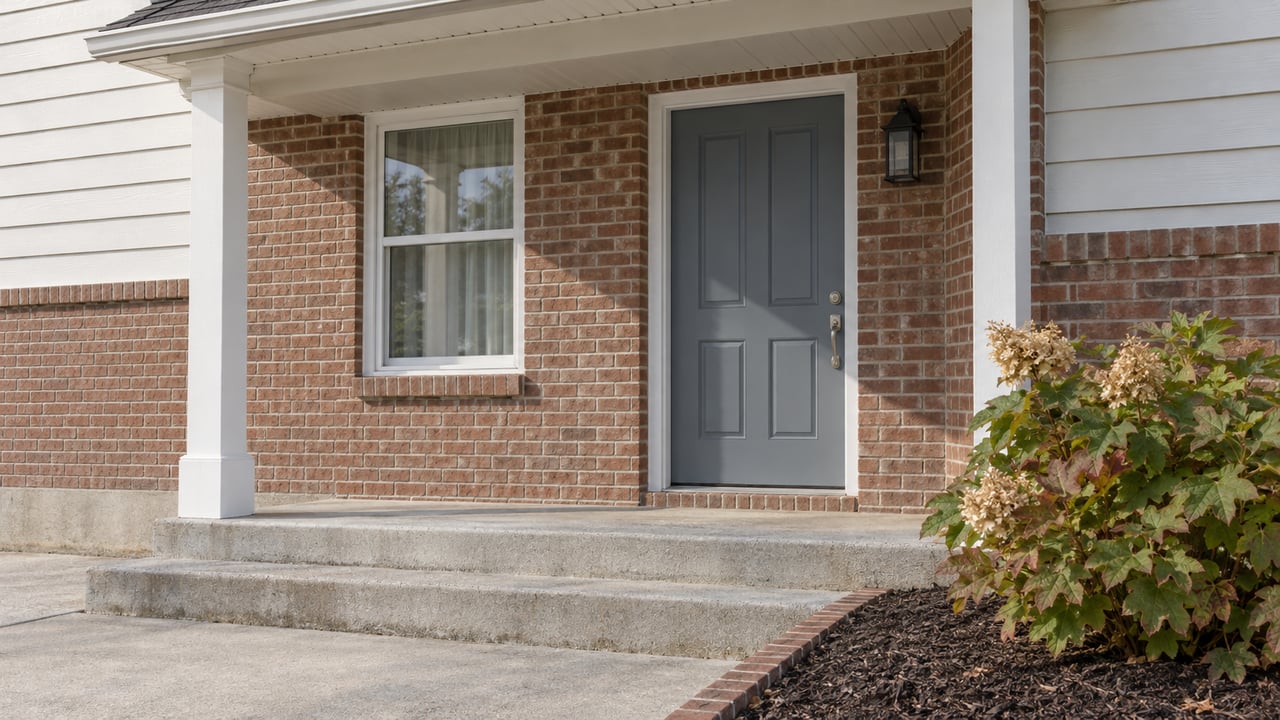
A new front door may also be worth a look in some situations. The research notes strong cost recovery for a new steel front door, but for a historic home, any exterior change should still fit the house and comply with local review requirements if applicable.
Improve presentation without over-staging
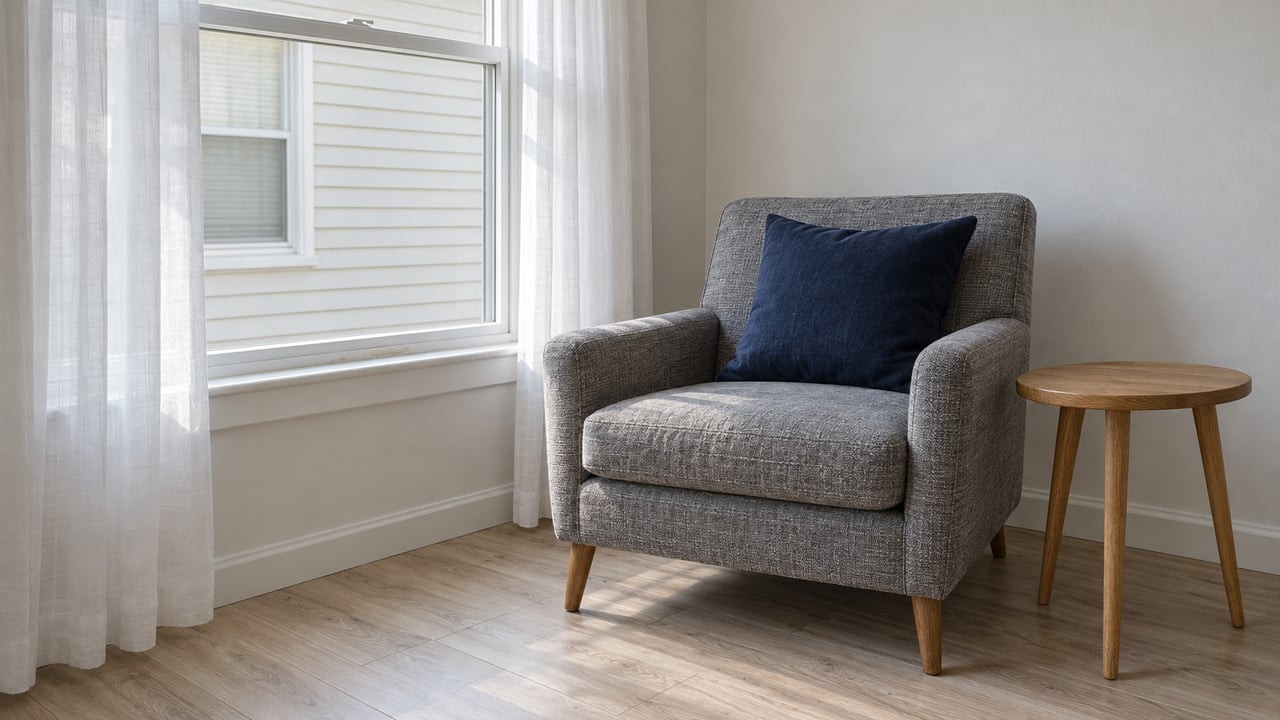
Historic homes often shine when they feel clean, calm, and authentic. You do not need to turn the house into something it is not. Instead, the goal is to help buyers notice the architecture, flow, and craftsmanship.
Simple staging can help buyers picture themselves in the home. That may mean editing furniture, improving lighting, and making sure standout features are visible rather than hidden by decor. When presentation is done well, vintage details feel intentional instead of dated.
Curb appeal matters more than you think
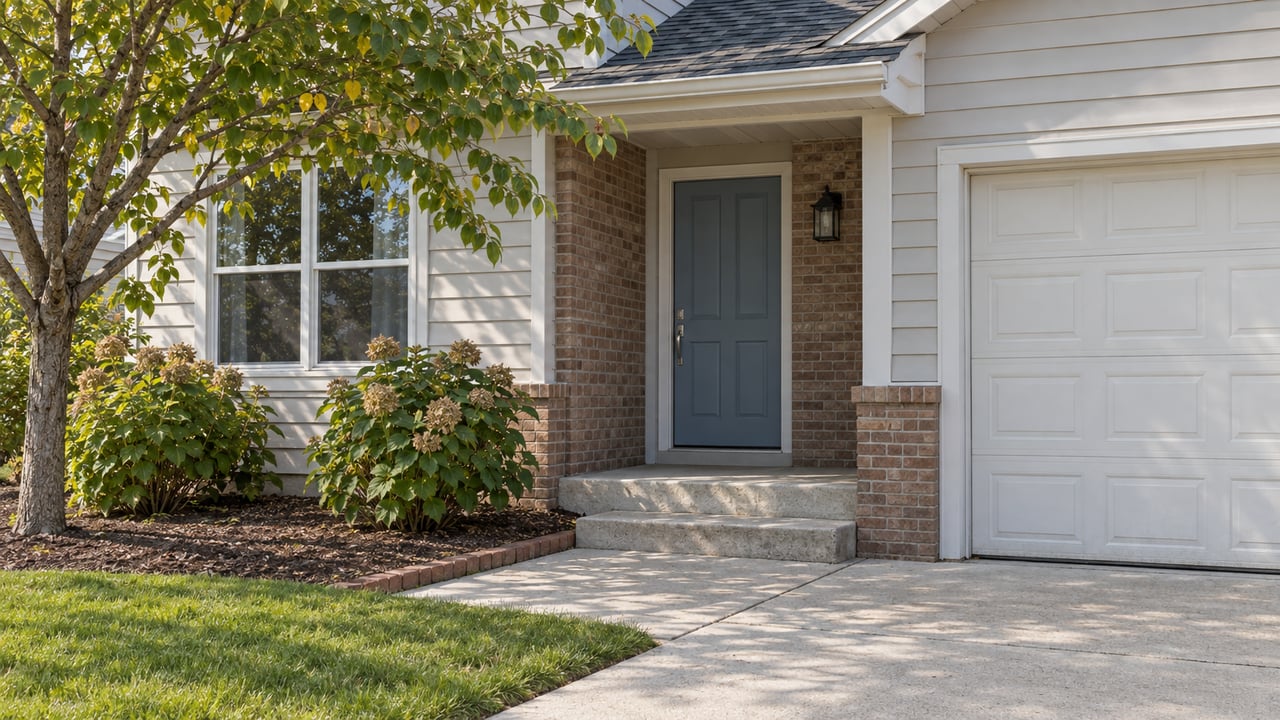
The exterior sets expectations before a buyer ever walks inside. In a historic setting, curb appeal is not just about tidiness. It is part of the home’s larger story.
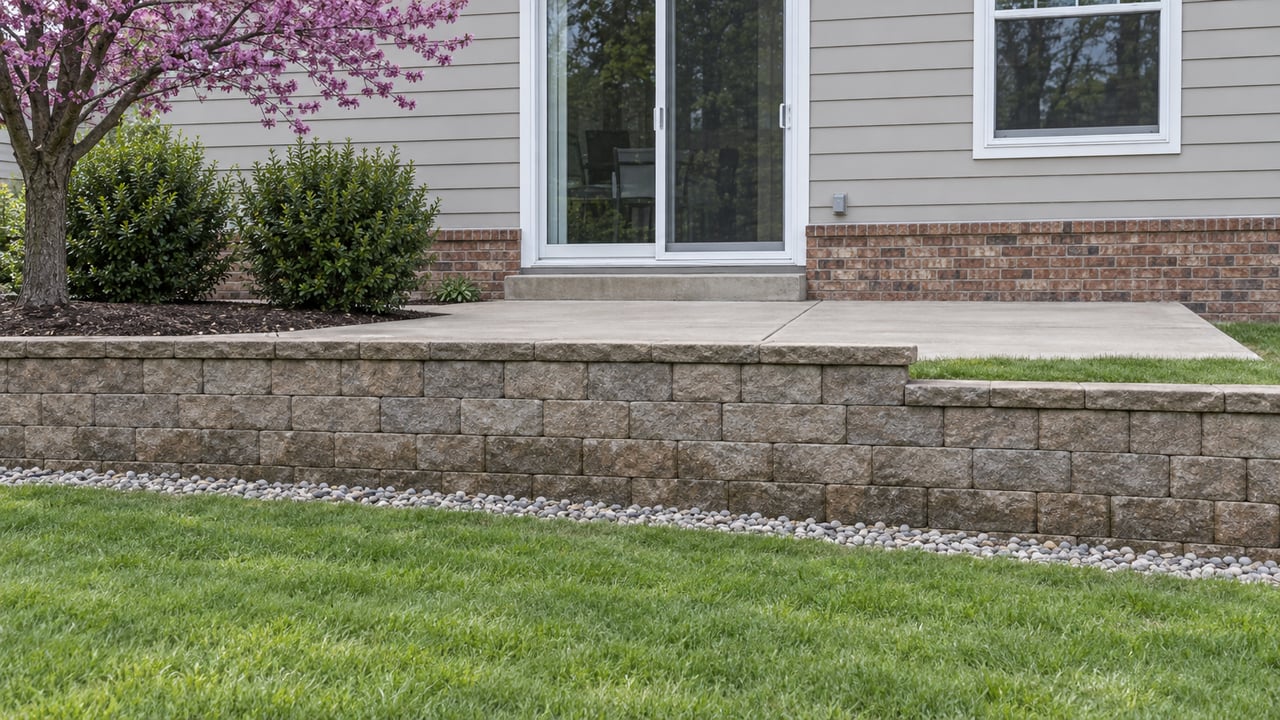
Mature landscaping, a welcoming entrance, and a well-kept facade can support that first impression. Small improvements at the front of the home often do a lot of work, especially when they reinforce the property’s existing style.
Tell the right story in the listing
The strongest marketing for a historic home does more than list updates. It connects the property to its setting in a way that feels grounded and believable. In the broader Country Club District, that means acknowledging the appeal of established streets, period architecture, and the planned residential character that defines the area.
Your home should also be positioned as maintained, thoughtfully refreshed, and not over-renovated. That message can reassure buyers who want charm without worrying that every major project still lies ahead. If work was completed under local historic review requirements, that can also support buyer confidence.
What buyers may value most
When your home is prepared well, buyers are more likely to notice features such as:
- Original windows that have been maintained or repaired
- Trim, masonry, and built-ins with visible care
- Functional systems with documented repairs or updates
- Clean, bright rooms that let architectural details stand out
- Exterior improvements that respect the home’s style
This kind of positioning helps buyers see the home as a complete offering, not a compromise between charm and practicality.
A smart prep strategy for sellers
If you are preparing a historic Plaza-area home to sell, the goal is not to make it look brand new. The goal is to make it look well loved, well maintained, and easy to understand. That usually means starting with condition, confirming any local review requirements, and choosing updates that improve confidence without stripping away identity.
Historic homes often win buyers over through character and setting. With the right preparation, you can bring those strengths forward and enter the market with a clearer plan.
If you want thoughtful guidance on how to prepare, position, and market your home, Candi Sweeney offers the kind of hands-on, boutique support that helps sellers move forward with confidence.
FAQs
What should you do first before updating a historic Plaza-area home to sell?
- Start by verifying whether the property is locally designated or in a local historic district, especially before making exterior changes.
Is a pre-list inspection helpful for a historic home sale?
- Yes. A pre-list inspection can identify condition issues early and help you decide what to repair, estimate, or disclose before buyers conduct their own inspection.
Should you replace original windows before selling a historic home?
- Not automatically. Historic windows should generally be evaluated for repair before replacement, and visible exterior window work may also require local review on some properties.
What updates usually matter most when selling a historic home?
- Selective, high-visibility improvements like cleaning, paint, landscaping, lighting, roof or gutter repair, and modest cosmetic refreshes often make more sense than a full remodel.
Why does neighborhood history matter when marketing a historic home?
- The surrounding area helps shape buyer perception of the property, especially in historic residential settings where architecture, landscaping, and neighborhood character are part of the home’s appeal.