If you want a suburb that feels connected, scenic, and easy to live in, Parkville deserves a closer look. For many buyers, the appeal is not just the homes. It is the day-to-day rhythm of where you grab coffee, spend time outdoors, run errands, and gather for community events. In Parkville, that rhythm blends historic charm, riverfront recreation, and quick access to the Kansas City metro. Let’s dive in.
What everyday life feels like in Parkville
Parkville is a small river city in southern Platte County on the Missouri River. According to the U.S. Census Bureau’s 2025 estimate, the population is 9,093, up from 7,117 in the 2020 Census. City materials describe a community working to balance growth with open space, unique ecosystems, and historic character.
That balance shapes daily life in a noticeable way. You have a compact downtown with local shops and dining, but you are also close to major regional routes for commuting and errands across the metro. For many households, Parkville offers a blend of small-city identity and suburban convenience.
Downtown Parkville anchors the week
One of the most defining parts of life in Parkville is its historic downtown. The city describes downtown as a place with cozy old structures, boutiques, specialty stores, and local dining along Main Street. That creates a setting that feels more personal and walkable than a typical run of commercial centers.
For you, that can mean simpler routines. A quick stop for lunch, a casual Saturday stroll, or a stop at a local shop can feel built into the week instead of requiring a special outing. Downtown also serves as one of the city’s main gathering points for seasonal events and community traditions.
Farmers market routines feel built in
The Parkville Farmers Market is one of the clearest examples of everyday community life in action. It runs downtown on Saturdays from 7 a.m. to noon from late April through late October. It also runs on Wednesdays from noon to 4 p.m. from mid-June through mid-September.
The city says the rebuilt market was designed to improve accessibility, vendor space, and parking. That matters because it shows the market is not treated like a side event. It is part of the city’s weekly rhythm, giving residents a recurring reason to spend time downtown and support local vendors.
Parks and trails support active living
If outdoor time matters to your household, Parkville stands out. The city maintains 11 developed park properties, about 350 acres of programmed park space, 10 miles of trails, and nearly 25 acres of undeveloped open space. That is a significant amount of recreational space for a city of this size.
Instead of planning every outing around a long drive, you have multiple ways to get outside close to home. Parks, trails, riverfront areas, and natural spaces are woven into the city’s layout and identity. For many residents, that makes outdoor time feel less occasional and more routine.
English Landing Park adds riverfront variety
English Landing Park is one of Parkville’s signature outdoor spaces. It includes three miles of walking trails, a playground, picnic shelters, a boat ramp, sand volleyball, disc golf, and the McKeon Stage for concerts and events. That range of amenities supports everything from simple walks to larger weekend gatherings.
For families, this kind of park can serve more than one purpose at once. It can be a place for a quick playground stop, a longer trail walk, or a community event on the calendar. The riverfront setting adds another layer to the experience that feels distinct within the north metro.
Platte Landing Park and the Nature Sanctuary expand options
Platte Landing Park adds more river-oriented outdoor space with wetlands, trails, off-leash dog areas, and a boat ramp. If your routine includes walking the dog or finding quieter outdoor spots, this park broadens your options. It also reinforces how closely Parkville’s lifestyle is tied to the river.
The Parkville Nature Sanctuary offers 115 acres and nearly three miles of hiking trails, including the accessible Blue Bird Trail. That gives residents another way to unplug without leaving town. It is a good example of how Parkville preserves natural features while still growing.
Community events create shared traditions
Parkville’s event calendar helps strengthen its small-town feel. City event pages highlight the 4th of July Celebration, Parkville Days, Christmas on the River, and Memorial Day Carnival. These are not just one-off attractions. They create familiar seasonal touchpoints that many households can build into the year.
Parkville Days is described as one of downtown Parkville’s largest events. Christmas on the River includes downtown dining and shopping, Santa, live music, and fireworks. The 4th of July celebration also features extended farmers market hours, a parade, and a free shuttle, showing how the city uses downtown and the riverfront as civic gathering spaces.
Metro access keeps Parkville practical
Lifestyle matters, but so does convenience. Parkville’s resident guide says the city is near Interstate 435, Interstate 29, Interstate 635, Missouri Route 152, and state highways 45 and 9. It also notes short access into downtown Kansas City and both Kansas City airports.
That regional connectivity is a big part of why Parkville works for many buyers. You can enjoy a community with its own identity while staying tied to the broader job, travel, and service network of the Kansas City metro. Census estimates from 2020 to 2024 put the mean travel time to work at 21.7 minutes, which supports that sense of practical access.
Walkability is strongest in key areas
Parkville’s planning materials reference work on the Route 9 Corridor Study, a Livable Community Study, sidewalk gap work, and broader transportation and pedestrian improvements. In day-to-day terms, that suggests the strongest walkable pockets are around downtown, parks, and trail connections. Most households, however, still depend on car travel for commuting and many errands.
That mix is important to understand if you are considering a move. Parkville is not defined by fully urban walkability. Instead, it offers targeted walkable lifestyle zones paired with strong regional road access.
Housing in Parkville offers variety
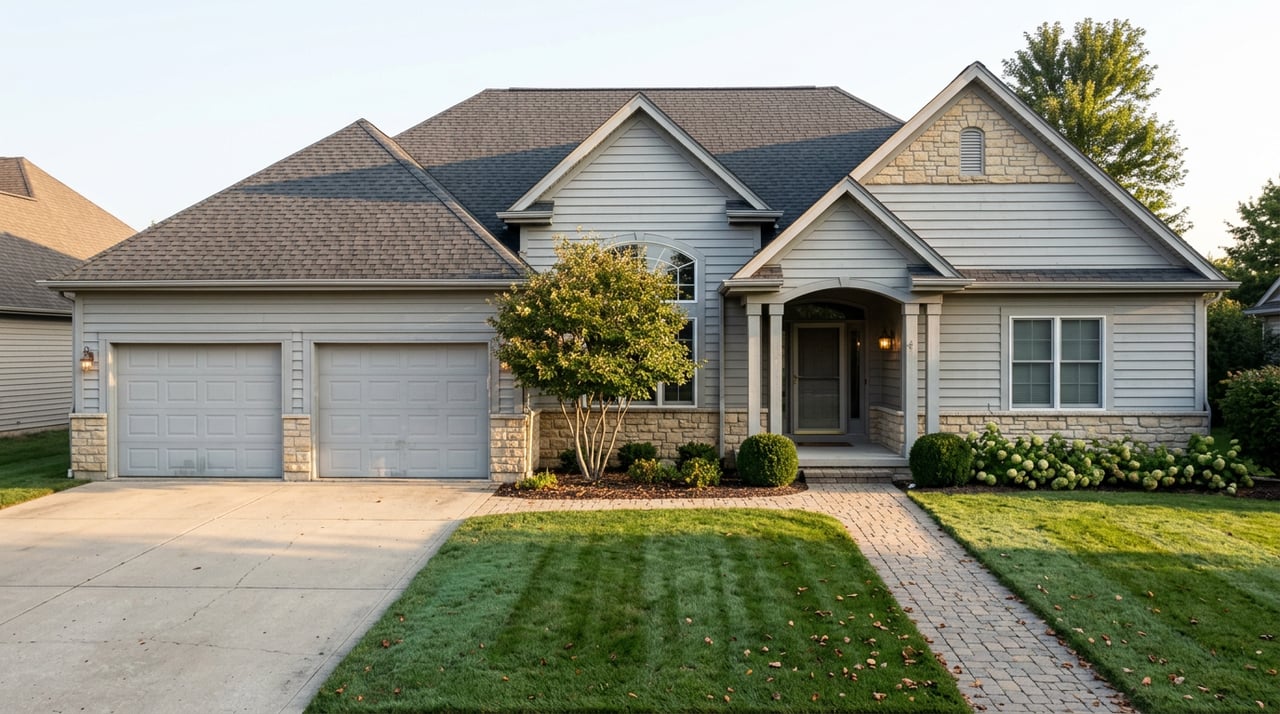
For a relatively small city, Parkville has a broad housing story. The city’s neighborhood information highlights historic areas along with subdivisions and communities that offer different settings and home styles. This range can appeal to buyers looking for anything from established surroundings to newer planned development patterns.
Examples named by the city include The Bluffs, The National, Riss Lake, Creekside, River Hills Estates, and portions of Thousand Oaks within city limits. City descriptions mention features such as winding bluff roads, golf course surroundings, natural features, large trees, and a mix of single-family homes, townhomes, and apartments in some areas. Planning documents also stress preserving community character through design standards and master-planned growth.
The numbers suggest stability
Current Census data helps fill in the picture. Parkville has 2,953 households, and the average household size is 2.72. The city also reports that 26.8% of residents are under 18 and that 91.5% of residents lived in the same house one year earlier.
Housing tenure is also notable. The owner-occupied housing rate is 82.3%, the median owner-occupied home value is $573,500, median monthly owner costs with a mortgage are $3,371, and median gross rent is $1,162. Together, those figures point to a relatively stable, owner-dominant market with a meaningful family presence.
Why Parkville fits many upsizing buyers
If you are looking for more space, a stronger sense of place, or easier access to outdoor amenities, Parkville checks several important boxes. You have community events that bring residents together, downtown destinations that add personality, and parks that support a more active weekly routine. You also have a location that stays connected to the larger metro.
That combination can be especially appealing if you want a home that supports both lifestyle and long-term value. In Parkville, the appeal often comes from how the pieces work together. It is not only about one neighborhood feature or one weekend destination. It is about the consistency of everyday living.
Parkville at a glance
| Feature | What it means for daily life |
|---|---|
| Historic downtown | Local shops, dining, and a compact gathering area |
| Farmers market | Recurring weekly routine from spring through fall |
| Park system | 11 developed parks, 350 acres, and 10 miles of trails |
| Signature outdoor spaces | Riverfront parks, hiking trails, playgrounds, and event areas |
| Community events | Seasonal traditions centered around downtown and the riverfront |
| Metro access | Convenient routes to Kansas City and both airports |
| Housing mix | Historic areas, established subdivisions, and newer options |
If you are weighing a move to Parkville or thinking about whether your current home still fits your next chapter, local context matters. The feel of a place is shaped by more than square footage. It comes from routines, access, and how well a community supports the way you want to live.
For tailored guidance on Parkville homes, neighborhood fit, and timing your next move, connect with Candi Sweeney.
FAQs
What is everyday family living like in Parkville, Missouri?
- Everyday life in Parkville often centers on a mix of historic downtown outings, regular farmers market visits, outdoor time in parks and trails, and seasonal community events.
What parks are available in Parkville, Missouri?
- Parkville maintains 11 developed park properties, about 350 acres of programmed park space, 10 miles of trails, and nearly 25 acres of undeveloped open space, including English Landing Park, Platte Landing Park, and the Parkville Nature Sanctuary.
What is the commute like from Parkville, Missouri?
- Parkville has access to Interstate 435, Interstate 29, Interstate 635, Missouri Route 152, and highways 45 and 9, and Census estimates show a mean travel time to work of 21.7 minutes.
What types of homes are found in Parkville, Missouri?
- Parkville includes historic areas and a range of neighborhoods and subdivisions, with options that include single-family homes, some townhomes, apartments in certain areas, and communities shaped by golf course, bluff, tree-lined, or natural settings.
Is Parkville, Missouri connected to the Kansas City metro?
- Yes. City materials describe Parkville as having short access to downtown Kansas City and both Kansas City airports, making it closely tied to the broader metro while maintaining its own community identity.
What school district serves Parkville, Missouri?
- Parkville is served by the Park Hill School District, which the district says includes 21 schools.