Love the Plaza lights, Ward Parkway’s trees, and Brookside’s cozy blocks but not sure what you’re looking at when you tour a home? You’re not alone. When you can name a style and know what it means for upkeep, renovation, and resale, you shop with confidence. This guide gives you quick visual cues, practical pros and cons, and the local planning rules that shape change around the Country Club Plaza and neighboring Brookside and Sunset Hill. Let’s dive in.
Where this guide applies
This primer focuses on Kansas City, Missouri neighborhoods around the Country Club Plaza and the Country Club District, which includes Brookside and Sunset Hill. The area took shape in the early 1900s as a planned district of boulevards, parks, and revival-style homes developed by J.C. Nichols and his company. That history explains why you see so many Tudors, Colonials, and foursquares on these tree-lined streets. For background, the Country Club District’s planning legacy is well documented in the Country Club District history, and the Plaza’s architecture is outlined by SAH Archipedia.
Quick style cheat sheet
Tudor Revival
- Era: 1915 to 1940s, especially popular in the 1920s and 1930s in Kansas City. KC Today’s Tudor feature gives helpful context.
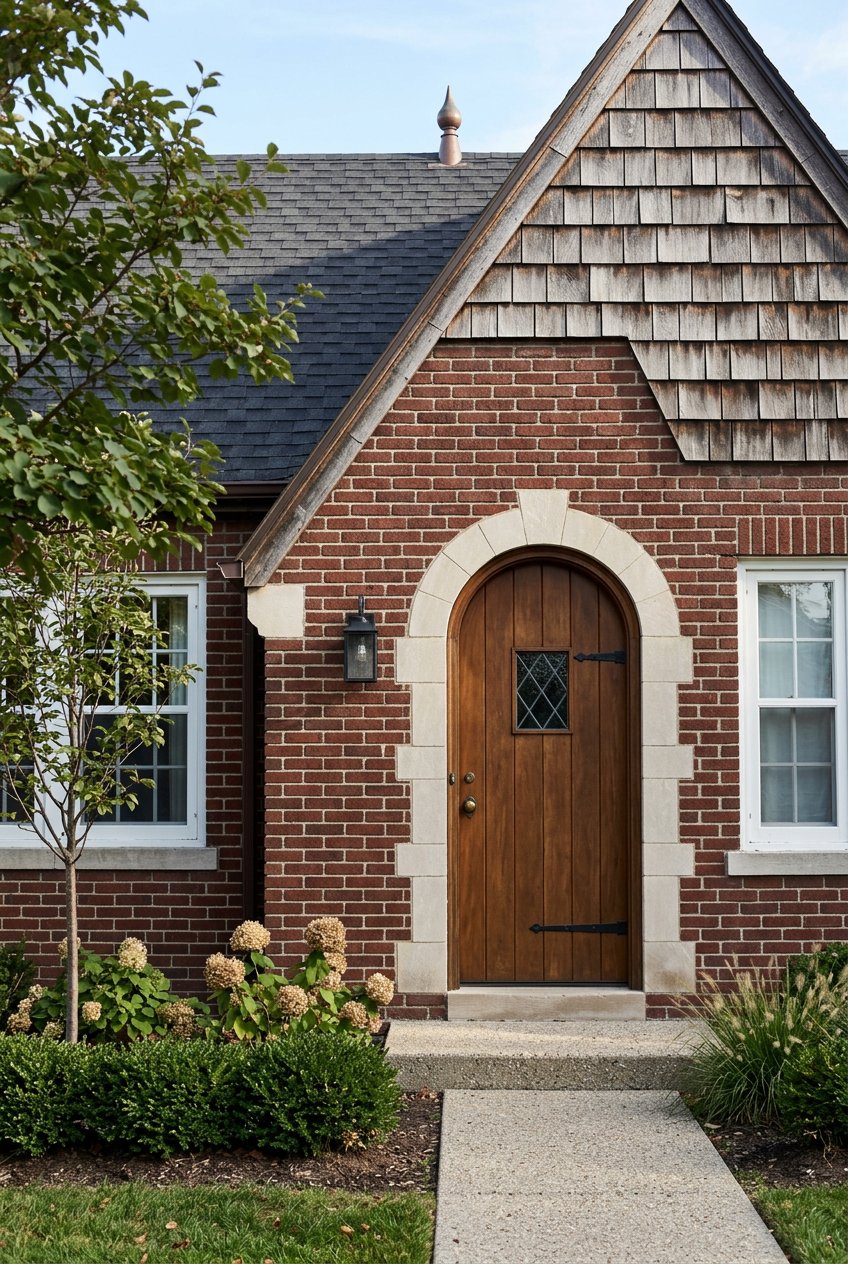
- Exterior markers: Steep gables, decorative half-timbering over light stucco, tall chimneys, grouped narrow windows, and arched entries.
- Interior feel: Cozy rooms, nooks, and asymmetrical floor plans; original kitchens tend to be compact.
- Buyer flags: Inspect roof flashing where gables intersect, chimney caps and tuckpointing, and stucco or mortar at the base where moisture can collect.
Craftsman and American Bungalow
- Era: Roughly 1905 to 1930s across KC’s streetcar suburbs.
- Exterior markers: Broad front porch with tapered or square columns, exposed rafter tails, and a low-sloped gabled roof.
- Interior feel: Often one or one-and-a-half stories with built-ins and a flowing living-dining space for their era.
- Buyer flags: Review porch foundations and columns, preserve original windows and built-ins where possible, and plan for attic ventilation if you add insulation.
American Foursquare and the KC “Shirtwaist”
- Era: About 1895 to 1930.
- Form: Boxy two-story plan with a large front porch and a hipped roof with a central dormer. Inside, think four rooms per floor.
- Local variant: The Kansas City “shirtwaist” uses a stone or limestone first floor with clapboard or shingle above. The stone “skirt” inspired the nickname. Learn the cues in this short KC shirtwaist overview.
- Buyer flags: The simple form makes additions or upstairs reconfigurations straightforward. Check original plaster and how utilities were updated.
Colonial Revival and French Provincial
- Era: Especially common from the 1910s to 1930s in the Country Club District, with later revival examples along Ward Parkway.
- Exterior markers: Colonial Revival favors symmetry, formal centered entries, brick masonry, and classical trim. French Provincial often shows steeper hipped roofs and refined brick or stone.
- Where you’ll see them: Sunset Hill and Ward Parkway blocks. For a neighborhood snapshot, see this Sunset Hill guide.
Ward Parkway estates
- Character: Grand, architect-designed homes with custom stone or brick, intricate details, and landscaped lots. Some include original carriage houses or substantial garages. Local landmarks like the Corrigan House add to the boulevard’s prestige.
- Buyer flags: Expect larger roofs, complex systems, and specialized maintenance needs. Budget for expert inspections.
Plaza-edge condos with Spanish notes
- What’s different here: The Plaza’s retail core is known for its Spanish and Moorish-inspired tiles, stucco, and towers. Nearby residential buildings often echo those themes in upscale condos and apartments. The residential feel is distinct from the single-family revival homes on surrounding boulevards. For a quick dive, see SAH Archipedia’s Plaza profile.
What style means for upkeep and value
Systems in older homes
Many Plaza-area houses still carry original or early plumbing, wiring, and HVAC routes. It is common to encounter knob-and-tube wiring, fuse panels, and galvanized or cast-iron pipes. Some lenders and insurers scrutinize active knob-and-tube wiring, and rewiring can be a significant line item. Ask for detailed service records and plan upgrades if your inspection flags these systems. For a practical overview of risks and costs, read this old-home systems explainer.
Also note that homes built before 1978 may contain lead paint. Federal law requires lead disclosures and offers you the chance to test before closing. Renovations that disturb painted surfaces must follow EPA lead-safe practices, which can affect timelines and budgets.
Roofs and chimneys on Tudors
Tudor roofs have steep, complex lines. Some higher-end examples use slate, which can last decades but costs more to repair. Prominent chimneys mean tuckpointing, crowns, and flashing deserve close inspection. Expect more planning for attic access if you run ducts or add insulation. KC Today’s Tudor profile highlights these features.
Stone bases and shirtwaists
Kansas City limestone and rusticated stone look fantastic and hold up well, but mortar compatibility matters. Watch for spalling where salt or poor drainage occur, and check the transition where stone meets wood or siding. For shirtwaists, mortar failure and water infiltration at that stone-to-wood joint are the usual culprits. A quick refresher on local forms: KC shirtwaist overview.
Stucco and half-timber details
If you repair stucco or decorative half-timber elements, use materials that are visually and physically compatible. Some modern cement-based products can trap moisture in older walls. Preservation experts now recognize thoughtful substitutes in certain cases, but you want a contractor who knows historic systems. The National Trust covers this balance in a helpful piece on compatible exterior materials.
Windows, porches, and interior character
Original wood windows, built-ins, and trim are part of why buyers choose Brookside and Sunset Hill. If energy efficiency is a goal, consider weatherstripping or interior storms before you remove historic windows. On locally designated properties, visible window changes may require review, so confirm your plan with the City.
Drainage and site conditions
Mature landscaping is part of the charm here, but long-established grading and sub-surface drains can slip over time. Around Loose Park and Brush Creek, ask for a foundation and site-drainage check. Look for basement water staining and ask for sump pump and footing drain histories. The Sunset Hill guide notes the area’s green spaces and proximity to these features.
Planning rules that shape change
Historic designation and exterior changes
Kansas City maintains a Historic Preservation Office and a local register. If a home is locally designated or inside a local district, visible exterior changes usually require a Certificate of Appropriateness. Before you plan window swaps, porch rebuilds, or façade changes, confirm status with the City’s Historic Preservation Office.
Demolition review for 50-plus-year structures
On December 19, 2024, the City adopted a demolition-review process for structures older than 50 years (ordinance number 241070). The process can impose a short delay to evaluate significance and alternatives, which affects tear-down and infill timelines. Read the ordinance record on the City Clerk’s site: ordinance 241070, or see the City’s demolition review summary.
Plaza Bowl Overlay and height context
The Plaza Bowl Overlay and the Midtown–Plaza Area Plan guide building heights and uses to preserve the Plaza’s low-rise bowl while allowing taller infill in specified areas. If future development is a concern for you, check whether a parcel falls inside the overlay or is part of a rezoning area. The overlay legislation is posted in the City Clerk records: Plaza Bowl Overlay.
Buyer checklist for your next showing
Use this quick list to guide questions for the seller and your inspector:
- Roof, electrical, plumbing, HVAC: year of roof, full rewire or panel replacement, repipe or supply-line updates, and HVAC age. If any knob-and-tube wiring remains, get a licensed electrician’s estimate for replacement. For an overview of typical costs, see this old-home systems guide.
- Lead paint: for homes built before 1978, confirm you received the federal lead disclosure and consider testing. If you plan to renovate, hire contractors certified for EPA lead-safe practices.
- Historic status: ask whether the property is on the Kansas City Register or in a local historic district, and which changes require a Certificate of Appropriateness. Start with the City’s Historic Preservation Office.
- Demolition and redevelopment nearby: check for active demolition-review or rezoning applications that could affect the block. The City posts demolition-review materials here: Demolition Review.
- Drainage and grading: ask for sump pump history, gutter and downspout maintenance, and any foundation repairs. Look closely on properties near Brush Creek and Loose Park.
- Character retained vs. replaced: request permits, photos, and receipts for renovations. Ask whether original windows, trim, and built-ins were preserved.
- Micro-comps: request recent comparable sales on the immediate block for a realistic read on style, condition, and location premiums.
What fits your lifestyle
- Prefer single-level living and a big porch for morning coffee? A Craftsman bungalow can be a great fit.
- Want formal symmetry and classic curb appeal? A Colonial Revival along Sunset Hill or Ward Parkway may speak your language.
- Dream of cozy rooms and storybook charm? Tudor Revival delivers character in spades, with added attention to roofs and chimneys.
- Want a lock-and-leave lifestyle near shops and dining? Plaza-edge condos often echo the Plaza’s Spanish-inspired details and keep maintenance simpler.
Whatever you choose, budget for system updates typical of early 20th-century homes and verify any historic-review steps if you plan visible exterior work.
Work with a local advisor you can trust
Buying in and around the Plaza, Brookside, and Sunset Hill is as much about understanding style and stewardship as it is about price. You deserve a calm, knowledgeable guide who has walked clients through old-home inspections, historic review, and value decisions many times over. If you are weighing your next move anywhere in the KC metro, let’s talk through options, timing, and must-have features.
For boutique, high-touch representation and smart strategy, connect with Candi Sweeney. We will help you narrow the right style, plan due diligence, and position your offer with confidence.
FAQs
What are the most common home styles near Kansas City’s Country Club Plaza?
- You will most often see Tudor Revival, Craftsman bungalows, American foursquares including the KC “shirtwaist,” and formal Colonial Revival or French Provincial homes, especially in Brookside and Sunset Hill.
How can I spot a KC “shirtwaist” versus a standard foursquare?
- Look for a stone or limestone first floor with wood or shingle siding above. That stone “skirt” is the shirtwaist’s signature, while a standard foursquare is typically uniform masonry or wood. A quick cue list is in this KC shirtwaist overview.
Do older Tudors near Brookside have special maintenance needs?
- Yes. Steep, complex roofs and prominent chimneys mean careful attention to flashing, slate or tile repairs, and tuckpointing. Stucco and half-timber details also call for compatible repair materials, as noted in this Tudor feature.
What rules apply if I want to change windows or the front porch?
- If the home is locally designated or in a local historic district, visible exterior changes may require a Certificate of Appropriateness. Always confirm status with the City’s Historic Preservation Office before you finalize plans.
Can a house near the Plaza be torn down for a new build?
- Possibly, but Kansas City’s demolition review for structures over 50 years old (ordinance 241070, adopted Dec 19, 2024) adds a formal review step and can impose a short delay. See the demolition review summary for how it works.
How might the Plaza Bowl Overlay affect my purchase?
- The overlay guides building heights and uses to preserve the Plaza’s low-rise character, which can influence where taller projects are considered. If sunlight, views, or future context matter to you, check whether your parcel is inside the Plaza Bowl Overlay area before you buy.