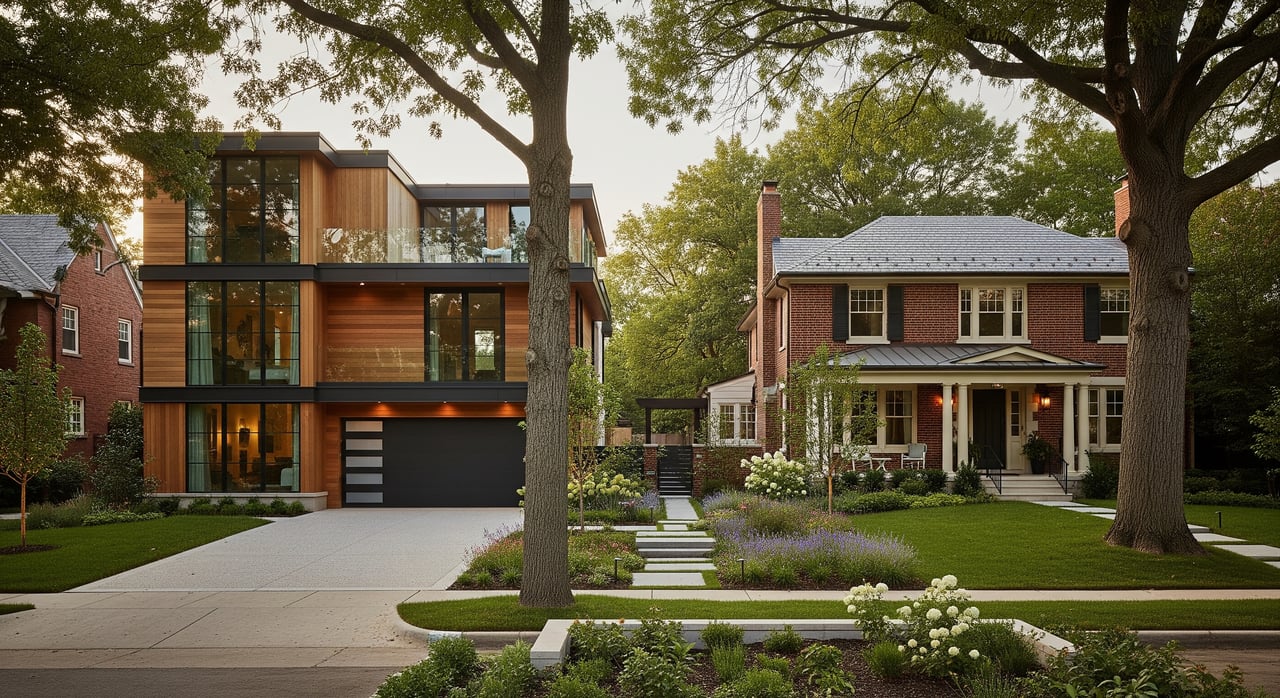
Trying to decide between a brand-new home and a well-loved resale in Johnson County? If you’re upsizing, you’re likely balancing budget, timing, and how quickly you need extra space. You want clarity on the real tradeoffs so you can move forward with confidence. In this guide, you’ll compare costs, timelines, warranties, inspections, HOAs, financing, and local Johnson County factors that matter for families. Let’s dive in.
New build vs. resale: The big picture
New builds give you modern layouts, energy efficiency, and fewer immediate repairs. You pick finishes, and you often get warranty coverage after move-in. The tradeoff is a longer timeline for custom builds and potential premiums for upgrades and lot selection.
Resales offer predictability on closing and established neighborhoods with mature landscaping. You can often negotiate on price or terms, but you may plan for updates or system replacements within the first few years.
Cost breakdown in Johnson County
Purchase price and up-front costs
- New build: Pricing reflects current construction costs, popular finishes, and often larger floor plans. Expect additional up-front items such as lot premiums, plan upgrades (kitchen, flooring), permit and impact fees, utility hookups, and landscaping allowances. Builders sometimes offer incentives like closing cost help or rate buydowns, though list price flexibility may be limited.
- Resale: Price can be more negotiable depending on days on market and condition. Factor in renovation or refresh items, especially if you want to add bedrooms or update kitchens and baths. Established properties may already have finished basements and mature landscaping, lowering immediate out-of-pocket spend.
Ongoing costs: taxes, insurance, utilities, maintenance
- Property taxes: New builds are typically assessed after completion and may show lower taxes initially until reassessment. Resales provide a clear history you can verify with county records.
- Insurance: New homes usually meet current codes, which can help premiums. Resale premiums depend on age, condition, and replacement-cost estimates.
- Utilities and maintenance: New homes often deliver better energy performance due to current code standards, but larger square footage can increase usage. Resales may carry maintenance needs or older systems to plan for.
Timing and move-in predictability
New build timelines
Inventory, or spec, homes can close in a few months if they are near completion. For a true custom or new-lot build, plan on roughly 6 to 12 months or more. Weather, supply chain, and inspection schedules can cause delays. Confirm the builder’s timeline, remedies for delays, and any termination or penalty clauses in the contract.
Resale timelines
Resale closings typically take 30 to 45 days after contract acceptance. Occupancy is more predictable once financing and inspections are complete. If you are selling and buying at once, rent-backs or delayed possession can help you coordinate your move.
Warranties and post-move protections
New build coverage
Most builders provide tiered warranties: short-term workmanship coverage, separate systems coverage, and longer structural coverage. You should plan an 11-month warranty walkthrough to address items before limited coverage expires. There is usually a punch-list process just before closing; get timelines and responsibilities in writing.
Resale protections
Resales rely on inspection contingencies and negotiated repairs. You can purchase a home-warranty service contract for mechanical breakdowns in the first year. These policies have limits and exclusions, so review them carefully.
Inspections you should not skip
New build inspections
Schedule three stages when possible: a pre-drywall inspection to verify framing, plumbing, electrical and HVAC routing; a final inspection before closing; and an 11-month warranty walkthrough. Common findings include finish issues, grading and drainage concerns, and occasional flashing or mechanical installation deficiencies.
Resale inspections
Order a comprehensive home inspection that covers structure, roof, plumbing, electrical, HVAC, foundation, and moisture. Targeted tests are often recommended: radon, sewer scope, pest, and mold or moisture checks as needed. If the home is older, consider lead paint evaluation, and bring in chimney or roof specialists if concerns arise.
HOA differences to understand
New communities
Early-phase HOAs are often developer-controlled. Fees may start low, but reserves can be limited at first, which can raise the risk of future special assessments. Builders may set design standards that restrict exterior changes until the community transitions.
Established neighborhoods
You can review a track record of fee history, reserve balances, and meeting minutes. This helps you gauge enforcement patterns and potential assessments. Covenants vary, so read them closely to understand restrictions and variance history.
Financing and appraisal considerations
New construction
You might use a construction loan with interest-only draws or a conventional mortgage for a spec home. Construction-to-permanent loans have specific qualification and down payment requirements. Appraisals can be challenging when there are limited comparable sales for customized builds.
Resale
Conventional financing is typical, and appraisals usually rely on multiple comparable sales. If you plan renovations, consider a renovation loan option.
Johnson County factors for families
Where new builds cluster
In Johnson County, inner suburbs tend to have more resales, while new subdivisions often expand in southern and western areas such as Olathe, Spring Hill, and Gardner. You will also see activity in cities like Overland Park, Lenexa, Shawnee, Leawood, Prairie Village, and nearby communities.
Schools and boundaries
School districts commonly considered by upsizing families include Blue Valley, Olathe, Shawnee Mission, and Spring Hill. Boundaries can change, so confirm current maps directly with each district. Newer subdivisions sometimes have new schools nearby, but attendance zones may adjust as neighborhoods grow.
Commute and daily routes
Major corridors such as I-35, I-435, and US-69 influence neighborhood desirability and day-to-day logistics. Weigh drive times for both adults and after-school activities. Overland Park features key employment centers, while Olathe is growing in manufacturing and distribution.
Permits and code compliance
Each city handles permitting and inspections, and builders must pass local checkpoints for footings, framing, mechanical systems, and final occupancy. New homes reflect current energy and building codes, which shapes insulation, HVAC sizing, and mechanical standards.
Environmental checks
Kansas soils can have elevated radon potential, so a radon test is prudent for resales and worth considering for new builds before finalizing. Check FEMA flood maps and local drainage plans, and confirm lot elevation and finished grade. Most areas have public sewer, but verify service for developing lots, since septic systems require different inspections and permits.
Long-term value and resale outlook
New build value drivers
You benefit from modern layouts, energy efficiency, and low initial maintenance. Plan for the neighborhood to mature over time. Early phases can lack trees and curb appeal compared to established areas, and new-home premiums may level out as the community fills in.
Resale value drivers
Mature lots, established landscaping, and known neighborhood character can support value. Some locations sit closer to long-standing amenities and schools. You may need to budget for updates to match modern buyer expectations.
Practical checklists for upsizing families
Key questions to ask builders
- What warranties are included, and how long is the coverage for workmanship, systems, and structural items?
- Is there a formal 11-month warranty walkthrough? How are punch-list items handled and on what timeline?
- Which allowances are included for appliances and fixtures, and how are change orders priced and approved?
- Who handles landscaping, final grading, and driveway completion?
- Is the HOA formed, and where can you review governing documents, fee schedules, and any reserve studies?
- What is the projected completion date, and what are the remedies if delays occur?
- Which inspection stages can you schedule independently, including pre-drywall and final?
Due diligence for resale homes
- Request seller disclosures, recent repair history, and utility bills.
- Order a comprehensive inspection plus targeted tests as needed: radon, sewer scope, pest, roof or chimney specialists, and septic inspection where applicable.
- Review HOA documents, budgets, meeting minutes, and reserve information if the property is in an association.
Family-focused fit and future needs
- Bedrooms and flexible spaces: ensure enough bedrooms plus a bonus area for office or playroom needs.
- Storage: evaluate garage depth, attic access, basement storage, and closet layout.
- Yard and play space: confirm yard size, fencing rules, and proximity to parks and schools.
- Basements: decide if you want a finished basement now or plan to finish later, including permit steps and costs.
- Layout and aging-in-place: compare single-level and multi-level plans for long-term comfort.
- Future expansion: check zoning and lot size if you plan to add a pool, ADU, or large addition later.
Financial and transactional checklist
- Compare total cost of ownership: mortgage, taxes, insurance, HOA fees, utilities, maintenance, and likely renovation or upgrade costs.
- For new builds, get written estimates for upgrades and change orders, and set a contingency budget of at least 3 to 5 percent.
- For resales, secure strong inspection contingency language and define a clear repair request process.
Which path fits you best?
Choose a new build if you want modern design, energy performance, and the ability to personalize finishes, and you have flexibility in your move-in date. This is a strong option if you prefer warranty coverage and lower early maintenance.
Choose a resale if you need a faster, predictable closing with an established neighborhood feel. This route can work well if you are comfortable tailoring the home over time and negotiating for repairs or credits.
If you are selling and buying at once, map your timeline early. Consider whether a spec home or a resale with a rent-back could smooth your move. Align your budget with total ownership costs, not just the purchase price, and verify details on taxes, insurance, HOA rules, and inspections before you commit.
Ready to weigh your options with a local, boutique advisor by your side? Connect with Candi Sweeney for personalized guidance on new construction and resale opportunities across Johnson County.
FAQs
Are new homes always more expensive than resales in Johnson County?
- New homes often carry a premium for finishes and customization, while resales vary by neighborhood, lot, and condition. Be sure to compare upgrade costs for new builds against renovation needs for resales.
How long does a custom new build usually take in Johnson County?
- Many custom or new-lot builds take about 6 to 12 months or more, depending on weather, materials, inspections, and builder schedules. Inventory homes can be faster.
Should I inspect a brand-new home before closing?
- Yes. Pre-drywall and final inspections, plus an 11-month warranty walkthrough, help catch workmanship, drainage, or installation issues that the builder can address under warranty.
How do HOAs differ between new and established communities in Johnson County?
- New HOAs are often developer-controlled with limited reserves early on, which can pose special assessment risk. Established HOAs typically provide fee history, reserves, and meeting minutes for better predictability.
Is buying a resale faster if I’m also selling my current home?
- Typically yes. Resales often close in 30 to 45 days, and you can negotiate possession terms like rent-backs to coordinate both transactions.